TheClawFiles Tip the Files →
Clawing through the files. Serving up truth.

Active investigation · southeastern Massachusetts

It reaches you three ways — the air, the land, the water.

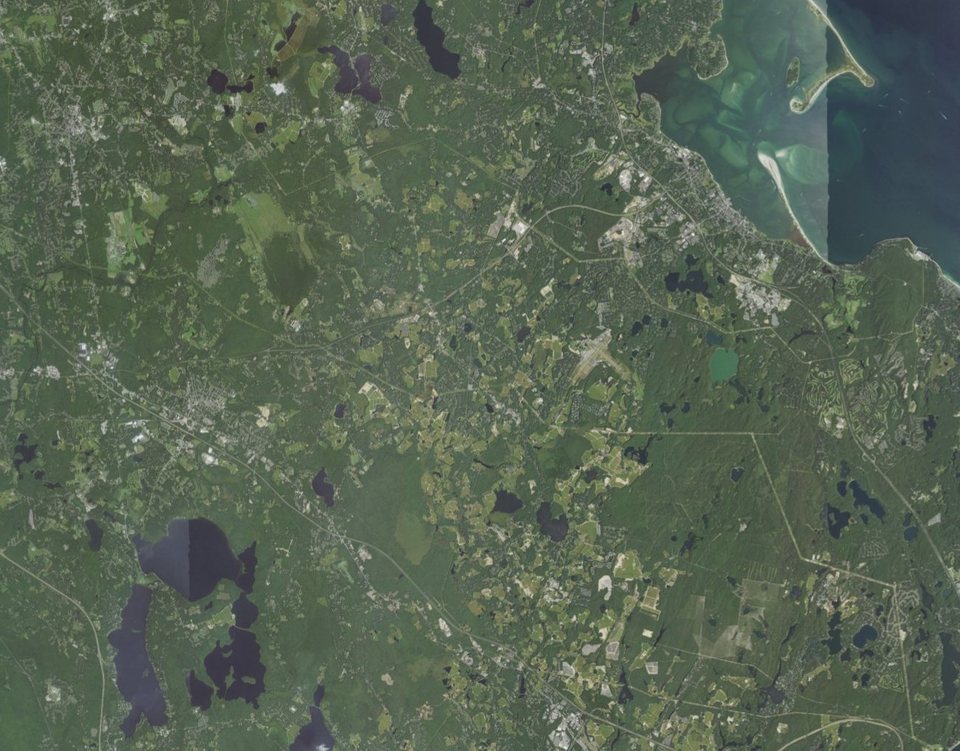
Under this corner of Massachusetts sits one aquifer, the only practical drinking-water source for roughly 150,000 people. Public records across the land above it show recurring projects involving clearing, earth removal, cranberry construction, solar, and later development. This investigation tests where those events actually share a parcel, actor, approval, or timeline—and where they do not. Published work distinguishes records, reported observations, technical data, advocacy, and analysis so you can see what supports each claim.

How The ClawFiles works

Three functions. Clear boundaries.

The reporting stays independent. Client work is commissioned and conflict-checked. Community monitoring uses separate methods, money, and privacy rules.

The complete working archive is not public. Source identities, private maps, exact monitoring locations, unpublished leads, and investigative strategy remain protected.

Airwhat you breathe

Beside the sand pits, neighbors talk about dust on the windowsills and COPD on their street. Some homes sit fifty feet from the digging. A researcher told a legislative committee that the air around the Carver sites carries silica dust, and the state has no way to know how much — of the 26 air monitors Massachusetts runs, not one sits in these towns. The regional incinerator's dioxin and mercury don't appear in any public toxics database either, because waste burners aren't a covered sector.

The full chapter, sourced →
Landwhere you live

The same acre gets sold four times. First the trees come down — one contractor filmed itself clearing about five acres a day. Then the sand goes out at roughly $75 a yard; by one coalition's estimate, 61 million cubic yards have left this region since about 1990. Solar arrays go up on the stripped ground, and houses follow. At Ricketts Pond, a single filing proposed moving 800,000 cubic yards of earth, and nobody mapped the hole for state review until a court and the state stepped in this year.

The full chapter, sourced →
Waterwhat you drink

Everything stripped up top drains to the water below. The region's largest landowner is authorized to pump 12.9 million gallons of it a day, roughly 15 percent of every allocated gallon in its river basin. Middleborough is spending $33 million to filter PFAS out of a well its ratepayers didn't poison. In Onset, the water department's oldest well has tested above the federal PFOS limit. There is no second aquifer to switch to.

The full chapter, sourced →
The signatureswho signs off

Every step needs a signature, and some public boards include members drawn from the industries they regulate. In Carver, the board that permits digging reserves half its seats, by design per the reporting, for the cranberry and construction industries. In Plymouth, land the town sold for one dollar later sold for $3.45 million through a foundation that includes seats for town officials. Disclosed campaign records also show individual executives and employees contributing to local and state candidates; the current record does not establish employer coordination. When the town's own committee said buy 130 acres over the wellheads, a 3-2 vote waived the right, and two supporting members had disclosed personal ties to the buyer.

The record has started to turn: a court injunction, a state-ordered environmental review, and an August 18 federal Clean Water Act complaint against A.D. Makepeace and three related entities. The complaint states allegations, not findings. What follows is the file.

The full chapter, sourced →
What we’re tracking

The evidence files

All the case files →

The cases

Case fileCourt-verified

Ricketts Pond

Injunction in force

One filing proposed 800,000 cubic yards of soil removal, a footprint never mapped for state review. A court injunction now stands, and the state ordered a full environmental review.

Open the case →

Case fileFederal complaint

The Largest Landowner

Federal suit filed

CLF filed a Clean Water Act complaint on August 18 naming the company and three related entities. It alleges unpermitted discharges at four bog sites; no liability finding has been made.

Open the case →

Case filePress-documented

The Waived Refusal

Vote recorded 3-2

The town's own committee said buy the land. A 3-2 vote waived its roughly $5 million right to about 130 acres of wellhead land.

Open the case →

Follow the money

Follow the moneyLand · Trail 01

The One-Dollar Flip

  • $1Town of Plymouth sells 71 Hedges Pond Rd to the Plymouth Foundation
  • $3.45Mthe Foundation resells the same parcel to Standish Investment Group LLC
  • est. $12Mof sand mined from the site under an enforcement dispute

The officials who could have questioned the flip sit, by design, on the nonprofit that profited.

All the trails →

The record

Records RoomIn flight

The docket

  • MEETINGPlymouth · 2026-09-10
  • MEETINGCarver · 2026-09-10

Every request logged: filed date, statute, town, and the response clock. No black box.

Open the docket →

On the aquifer, town by town

The town files

Open a file →

Latest files

Tips

Know something about the water or the land? Send it.

We read every message and check it before a word runs, and your name never appears without your consent. A single document helps most: a deed, a permit, or a recording of a public meeting.

Get new files by email
More
Search the files
Send a tip

Source protection is a discipline, not a checkbox.

We treat every tip the same: confidentiality first, then verification.

We never publish a source's identity without consent. Read our ethics policy →